New Fly Fishing Patterns in 2023
So far in 2023 Fish4Flies have created and tied 24 new fly patterns.
We attempt to tie as many pattern requests as possible, and while it can take some time for us to arrange and have tied, it is rewarding to see the flies that you have requested physically within your hands. Unfortunately, we can't produce all requests in a timely manner, but we strive to produce as many as possible, while the most popular requests get bumped up the list.
Love these patterns? Then why not browse back through our recent years to get some fresh ideas: 2022, 2021, 2020, 2019, 2018 & 2017.
Trout
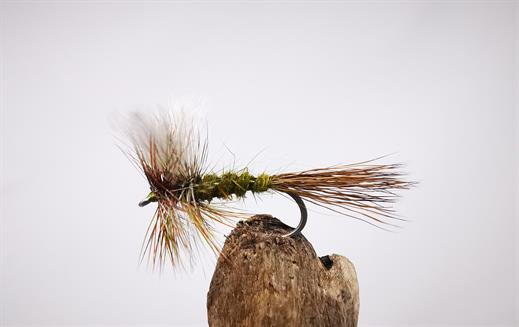
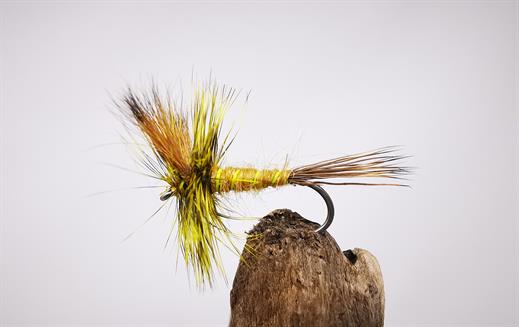
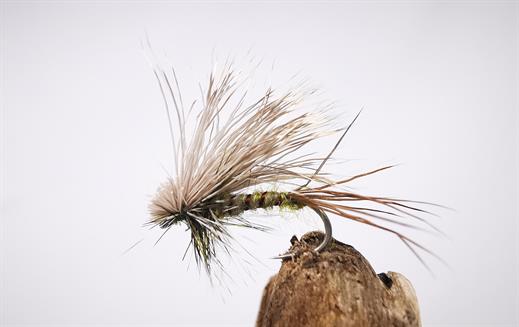
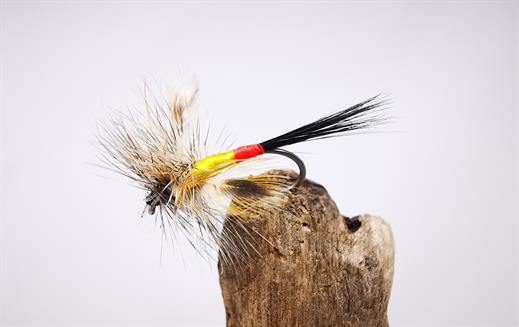
Dry
Dry flies are designed to imitate insects that are in the process of hatching, or that have already emerged from the water and are flying around on the surface. They are typically fished on the surface, and are a good choice when the fish are actively feeding on top.

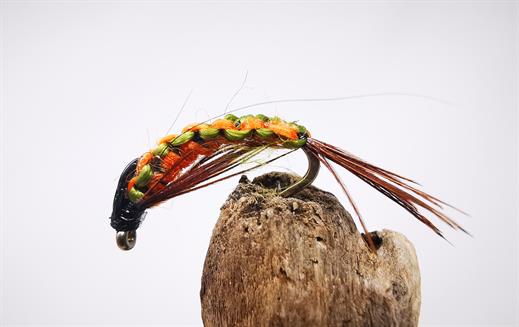
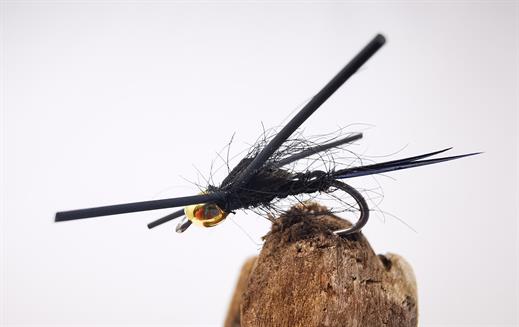
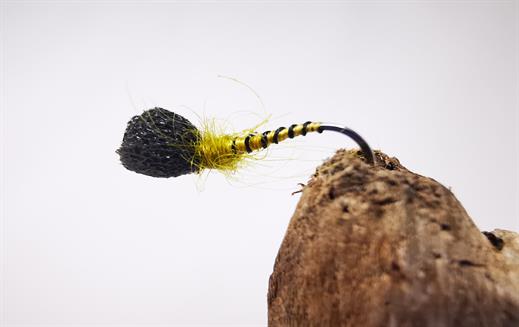
Nymphs
Nymphs are flies that imitate the underwater stages of insects, such as larva, pupa, and naiad. They are typically fished subsurface, either by drifting along the bottom or by suspending the fly in the water column with the use of a strike indicator.
Nymphs are a good choice when the fish are feeding on sub surface aquatic insects, or when the surface of the water is not producing any visible activity (such as during times of high water clarity or when the water is very cold). They can also be effective when fish are unwilling to rise to the surface to take a dry fly.
Lures
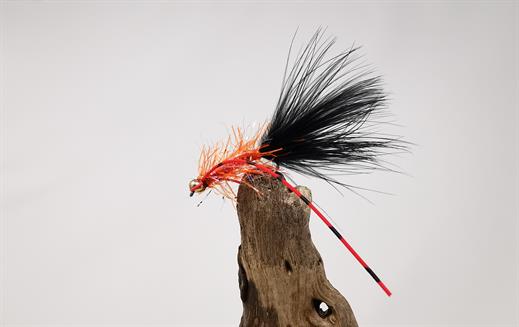
There are many different types of lures, each one is designed to mimic a specific type of prey or to trigger a predatory response in fish such as Trout and Grayling. Some lures are designed to mimic the movement and appearance of small baitfish, while others are designed to imitate insects or other types of invertebrates.
Lures are a good choice when the fish are not actively feeding on small insects and flies, or when the water conditions make it difficult to use traditional flies. They can also be effective when the fish are in a predatory mood and are actively searching for food, such as during the colder months.
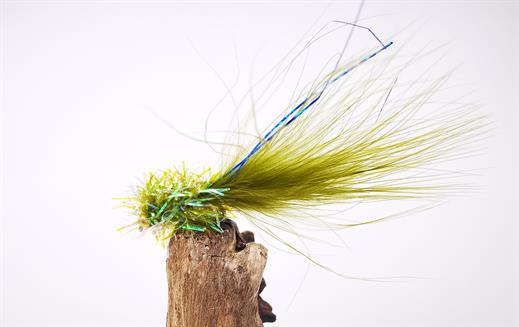
Hackled
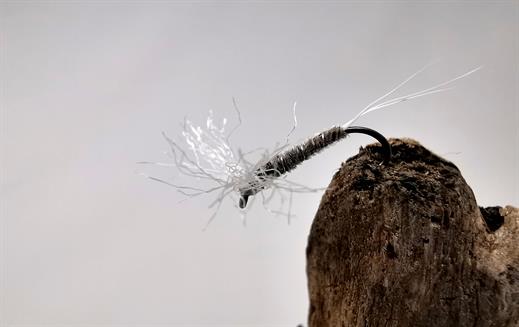
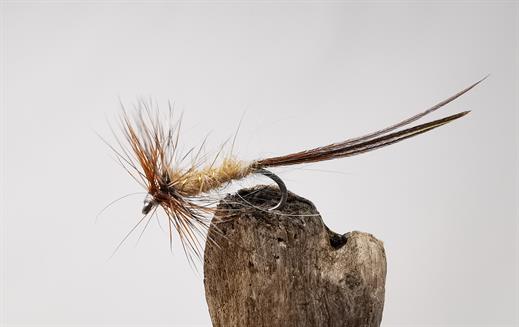
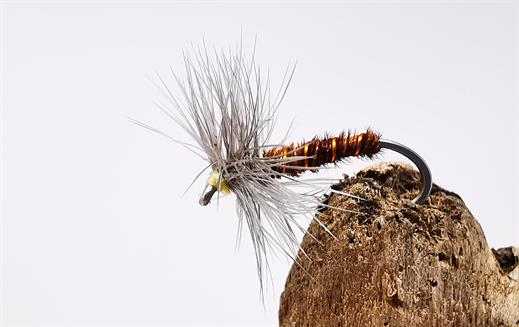
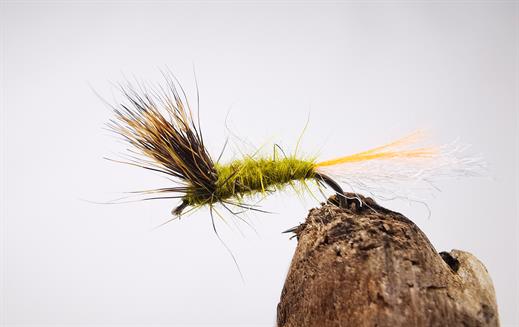
Wet
A wet fly is a type of fly that is designed to be fished below the surface of the water. Wet flies are usually weighted, either with lead wire or with other types of materials, to help them sink. They are typically fished by casting the fly out and allowing it to sink to the desired depth, and then stripping it in (reeling in the slack line and pulling the fly towards the angler in short bursts) or by dead drifting it (allowing the fly to drift naturally with the current). Wet flies are often used to imitate various types of aquatic insects, such as nymphs, larva, and pupa.
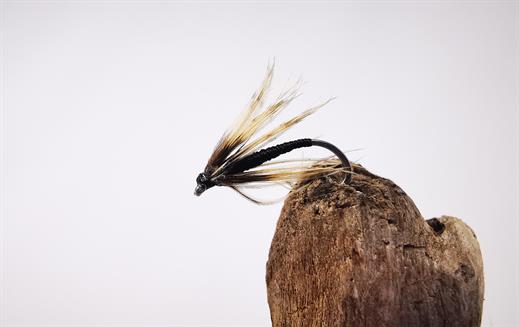
Black Gnat Spider
(from $1.26/fly)
Atlantic Salmon
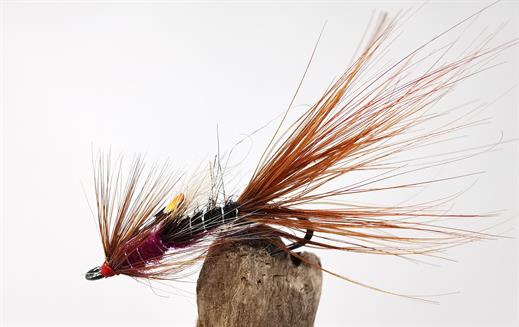
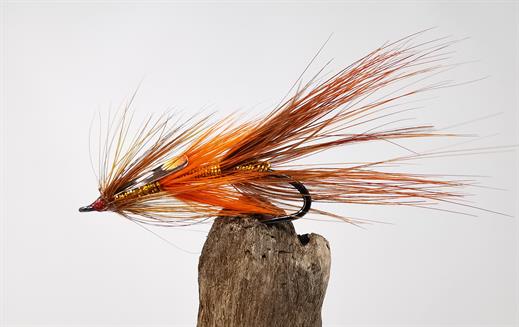
Atlantic salmon typically spend most of their lives in the ocean and return to freshwater streams and rivers to spawn in the spring or early summer. During this time, they can also be found migrating in large numbers in the rivers and streams where they spawn, and they can be active and aggressive. This can make spring and early summer a good time to fish for Atlantic salmon.
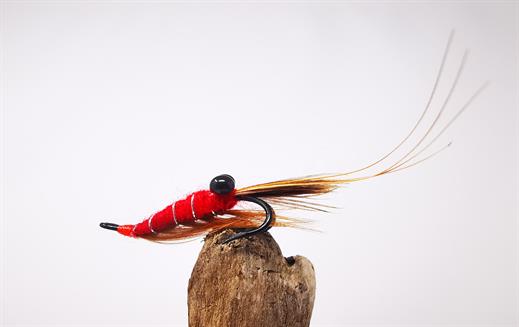
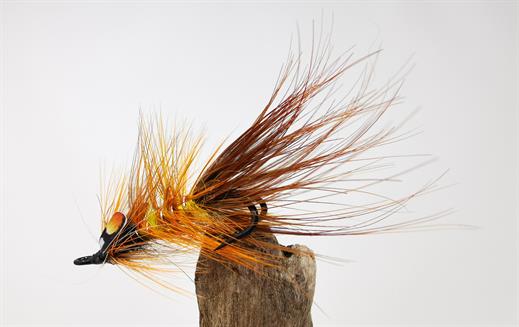
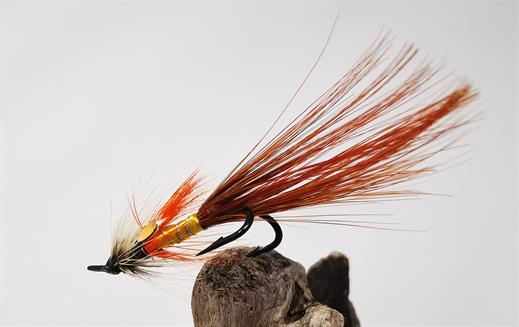
Pacific & Steelhead
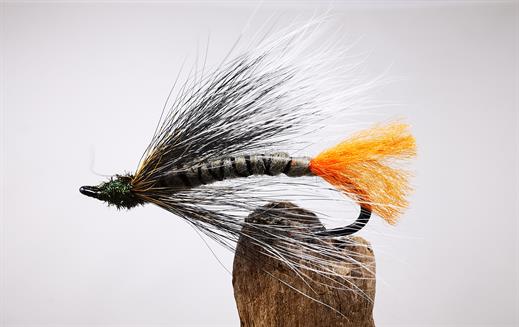
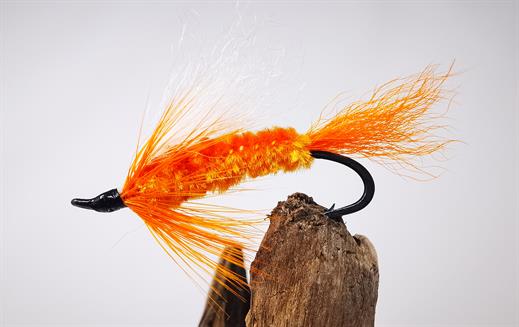
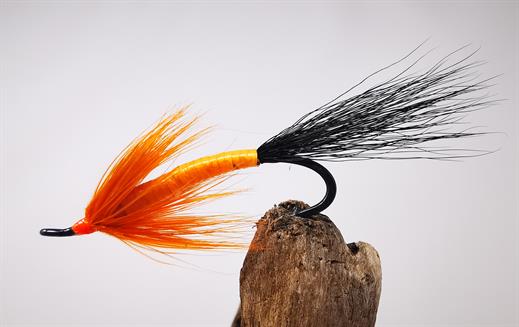
Sea Trout
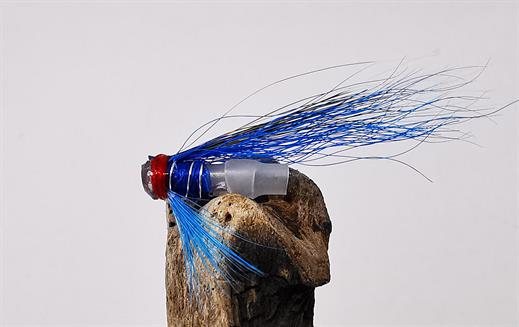

UK & International Delivery
All orders are dispatched same-day when placed before 1pm Mon-Fri. We use Royal Mail 24 and you can upgrade to guaranteed next-day or international delivery.

Quality Guaranteed
All of our products are backed by our Quality Guarantee. If you're not 100% happy with any of our products, we offer no-quibble returns.

Secure Payments
Our secure payment partners handle all transactions. PayPal and Stripe are global leaders in online payments, ensuring your details are safe at all times.